J. Theodore Bent & Mabel Bent
An African Interlude: The Eastern Soudan — Sudan Selection from Southern Arabia
An African Interlude: The Eastern Soudan — Sudan Selection from Southern Arabia
Download instructions are supplied after checkout. Read on a compatible EPUB or comic-reading app.
Couldn't load pickup availability
Parts of Africa have to be discovered and other parts rediscovered. Each little war and each little journey contributes to the accomplishment of both these ends with surprising rapidity, but the geographical millennium is looming in the distance when the traveller will no longer require his sextant and theodolite, but will take his spade and pruning-hook to cultivate the land this generation is so busy in discovering.
Original illustration preview


The complete Sudan selection from Southern Arabia—not the complete parent book. These six chapters (XXIII–XXVIII) by J. Theodore and Mabel Bent follow their 1895 journey along the Red Sea coast and inland through Bisharin country toward Jebel Erba.
Travel beyond the familiar Nile campaign narratives: coastal anchorages, Halaib, Mohammed Gol, mountain valleys, ancient gold workings and encounters with local communities. The original map and two illustrations accompany a new introduction explaining the Sudan connection and the historical geography.
Inside this edition
- All six original Sudan chapters, with chapter numbering preserved
- Adjustable, searchable English text and a linked contents menu
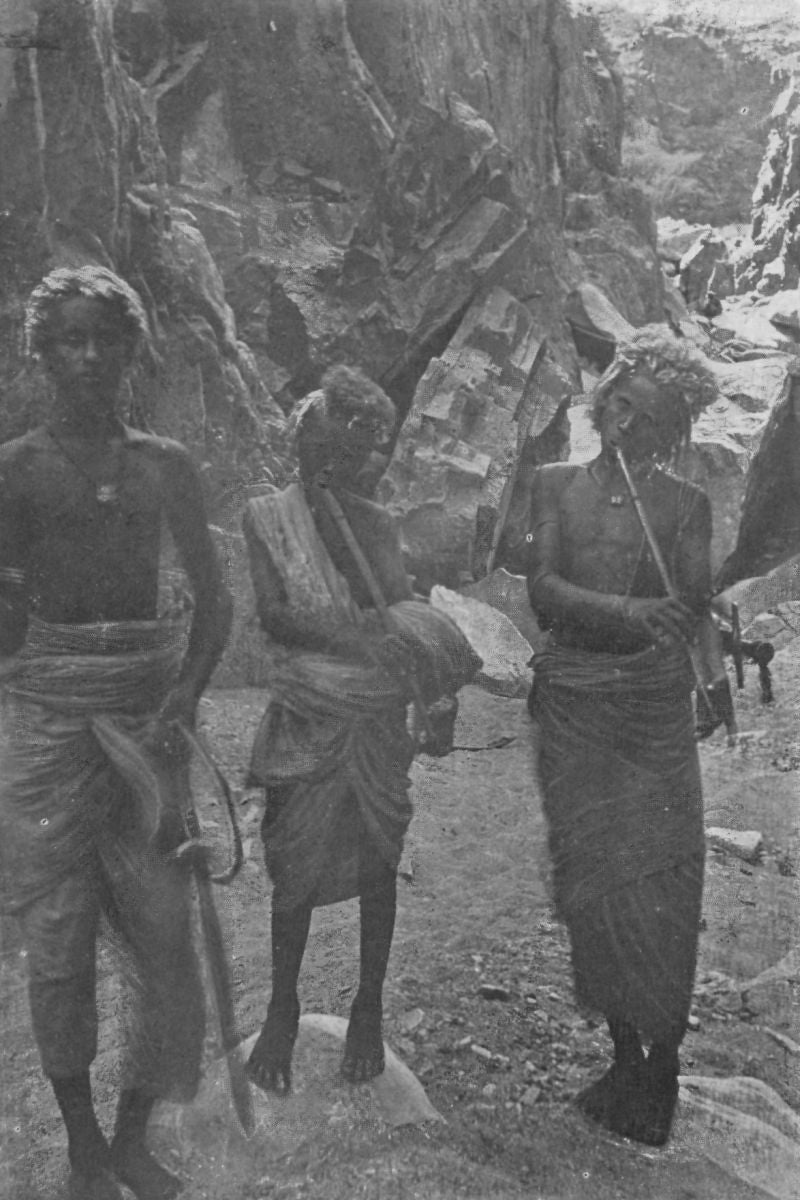
- Original map of Mount Erba and surrounding country, Elba Mountains from Shellal, and flute-players in Wadi Koukout
- New contextual introduction and a distinctive contemporary cover
Historical perspective: Published in 1900, this is a nineteenth-century travel account containing colonial attitudes, dated terminology and the authors’ opinions. It is presented as historical evidence, not a modern guide to Sudan’s peoples or an endorsement of those views. Historical place names do not establish present-day borders.
Digital download: English reflowable EPUB only. No physical book or audiobook. Use an EPUB-compatible reader; font size and layout adapt to your screen. The cover is a modern artistic interpretation, not a historical photograph.